Apple, Environment, iPhone, Technology

Apple Event – 13th October 2020

A hop and a skip in a greener direction, but no jump…

After yesterday watching the Apple Event which introduced the iPhone 12 devices and the HomePod Mini to the world, it was clear the main focus of the event was the announcement that all of the iPhone 12s will support 5G mobile technology.

5G has been in existence for a while now and there are ads and billboards dotted around from some of the major networks advertising that 5G is now here. Yet coverage has been limited to specific areas of major cities so the commercial uptake has not yet transpired. With the release of the iPhone 12 however, that uptake may be about to accelerate. Whilst this announcement is very exciting in terms of the connectivity and the speeds these phones will now be able to deliver, it was another announcement which I felt was perhaps more revolutionary.

Apple announced that across the range of iPhone devices they will now be removing the power adapter and EarPods, the wired set of ear buds which are normally supplied with the phone. A fast-charging USB-C to Lightning cable will still be included in the box however. By doing this Apple are now able to ship the new range of iPhones in smaller, slimmer boxes. This has the effect of using less packaging materials, as well as allowing a higher number of boxes to be included in one shipment, which will also result in fewer shipments of devices across the world. On their website, Apple estimates that this all adds up to reducing over 2 million tonnes of carbon emissions per year, which they say is the equivalent of 450,000 fewer cars on the road. During the event yesterday Apple also stated that they were operating under a plan which strives to make all of their products carbon neutral by the year 2030. All positive you might say.

And yes it is certainly a step in the right direction, and come the year 2030 we will be able to see if the company’s ambitions on carbon neutrality actually came to fruition. While it is admirable that action is now being taken by a company as giant as Apple, I would have liked to have seen them take it a step further by removing all cables from their iPhone devices completely. As I suggested in a previous post, a large number of people around the world own an iPhone, and a large number of those people are likely to have had a different iPhone before that said device. There will also be households containing multiple iPhones and Apple devices including iPads, AirPods and Apple Watches. Therefore as Apple alluded to in their event yesterday, there are going to be huge number of power adapters lying around the homes of iPhone users already, before the introduction of millions more when these new phones ship.

As I sit at my desk now, there are two unused power adaptors for iPhones in my drawer. Case in point.

Yet with those power adapters, there are also going be a very large number of cables like the aforementioned USB-C to Lightning cable, as one power adapter needs an associated cable like a car needs wheels. So if Apple removed the power adapter, why not also remove the cable that goes with it? The Lightning cable can be used to connect the phone to other things like a computer, but realistically how often do people do that nowadays? You could argue that Apple’s wireless revolution began in late 2016 when they first introduced AirPods and removed the headphone jack from their new iPhones in a move which they cited as being “courageous”.

With this in mind the wireless revolution has been going on for a number of years now and I would have liked Apple to be a little more ambitious in their announcements yesterday by removing charging cables completely from their new devices. If consumers needed a new power adapter or cable or replacements, they would be able to buy one as they will continue to be sold separately. Adding to this, yesterday Apple announced the return of their MagSafe technology, and this time its coming to their iPhones. The MagSafe charger will not be shipped with the new iPhone but will be sold separately as an accessory. To me it seems a bit like they’ve boiled the kettle but neglected to make the coffee, and it’s the coffee which is the desired result.

Let’s stop promising things like the lofty 2030 aim, and actually get it done. Overall, well done Apple for taking this step to more eco-friendly consumerism (if that can exist in any sustainable way). Let us hope that the other major phone manufacturers like Samsung, Google, LG and OnePlus take this baton, run with it and take further steps to eliminate unnecessary waste from our fragile and crowded planet.

Is enough being done by Apple and the like to reduce wastage and encourage greener living? Or is my minimalist nature being too critical? If you have any thoughts feel free to post them below.

Thanks for reading.

Andrew

Amazon, Security, Technology

Metal Gear Amazon: Sons of Drone Security

Last week Amazon unveiled a range of new products including updates to the Amazon Echo and Echo Dot smart speakers, their Fire TV streaming device, and some new Blink outdoor security cameras. Another product which they showed off and announced would be coming in 2021 was the Ring Always Home Cam

The Ring Blog

This is going to be an autonomous drone with an attached camera which can fly around your home to monitor activity in different rooms. The device is stored in a dock and then takes flight after an activation, or a request to monitor a certain area of the house. The device then flies to the desired location in the home whilst recording live video and then that video is streamed to your mobile device for live viewing. It’s certainly an interesting product to say the least and it could be a curious fork in the road.

The linked promotional video from Ring shows the prototype device in action around a home. In the example shown it shows an unwanted person getting through a door and activating an alarm. At this point the alarm takes flight and travels to the room in which the unwanted guest activated the alarm, recording footage and streaming this back to the home owner’s mobile device. This is what you might call a reactive activation, whereby there has been an external action which has triggered the device into operation. The device can also be programmed to fly on demand in what I would term a ‘sentry mode’. As a long time Metal Gear Solid fan, it’s not difficult to see comparisons between the Ring Always Home Cam and the drone cameras called Cyphers that were present in the sequel game on Playstation 2. In the Sons of Liberty game, these Cyphers were fitted with camera systems and at times were often weaponised, in order to take lethal action on uninvited guests to the site they were guarding.

I draw comparisons to this because I wonder, once these home security cameras get into homes at affordable prices, how long is it before certain owners decide to customise the devices into something which takes more offensive action to any breaches of security? 

Another thing to ponder is just how secure is the video that is recorded by these devices? Just last year we saw both Amazon and Apple come under fire for a controversy involving their smart speakers and virtual assistants: Alexa and Siri. It was found that Amazon and Apple analytics teams had access to conversations which had been recorded by their respective devices after the owners had thought the devices had stopped listening and recording. I believe the reasons given were that Amazon and Apple were using the conversations and data to improve their voice recognition software and systems. Bearing this in mind, how much should we trust that a device like the Ring Always Home Cam is not snooping around the home without our knowledge whilst we are not there? 

The Ring Always Home Cam is an interesting device with clear innovations, however I’m not sure a majority of consumers would feel comfortable like having a device like that saunter through their home, possibly whilst they are unaware. It could be at the forefront of autonomous security systems or on the tipping point of privacy paranoia in an already anxious world. Time will tell, and it will be interesting to see the ongoing reaction to this contentious product.

Apple, iPhone, Technology, Xbox

Fragmentation of devices: Excessive or Progressive?

One World Rental

I was recently listening to a podcast on the iMore show where the imminent release of the new iPhone 12 devices was being discussed. A current rumour is that this year there may be a total of four new iPhones released, which is the most that I can remember in one release cycle. The rumoured devices are as follows: 

  • The iPhone 12
  • The iPhone 12 Max
  • The iPhone 12 Pro
  • The iPhone 12 Pro Max

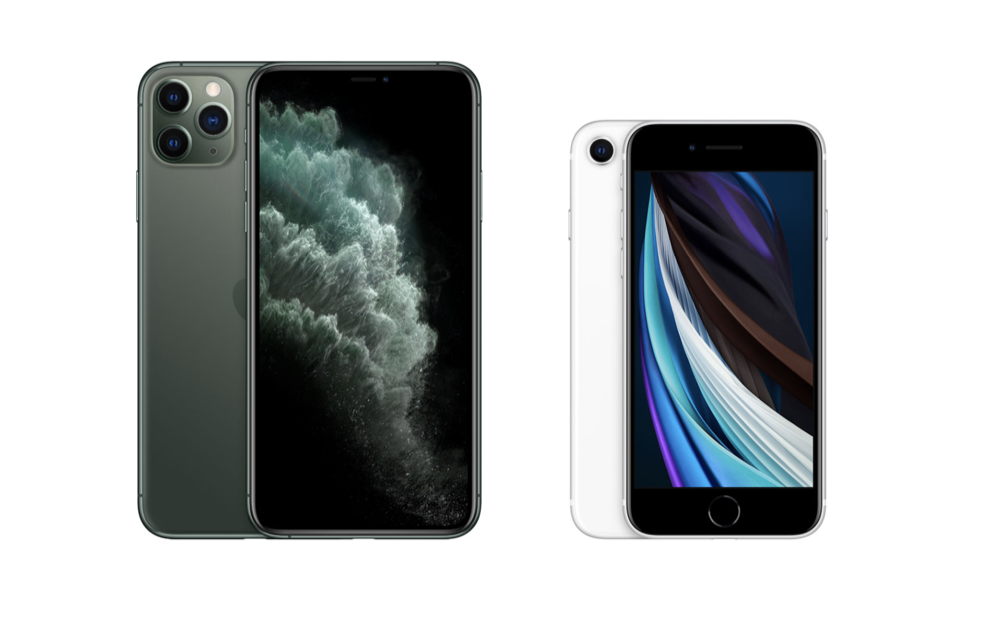
If this rumour turns out to be true then these devices will also be released in a year when a new iPhone SE was also introduced. So is this a good move by Apple; to offer a higher number of devices to consumers and ultimately more choice. Or is it an example of excess and fragmentation, and is it actually causing users to become more confused over which iPhone is the right iPhone for them?

Know Your Mobile

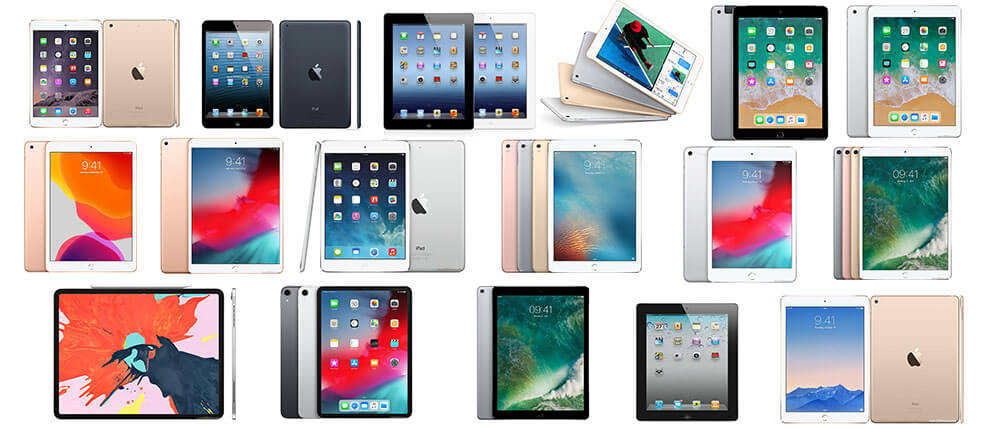
It used to be that people would term the Samsung device catalogue as cluttered with seemingly different devices for different days of the week. However Apple is catching up, and we see this across most of their product range. There are always at least two versions of the Apple Watch available (not taking into account the cellular and non-cellular versions, there are three different types of AirPods available, and let’s not get started on the multitude of iPads that exist currently. Is this a good thing though? In some ways yes, there is now an iPad for pretty much everyone and every use case. This type of cluttered product lineup is bringing those products to people where they previously wouldn’t have been able to get them. For example the latest bottom line iPad now starts at £349, so educational institutions and enterprise can take advantage of this lower cost and introduce the device into their workflow. However is it also making it more difficult for consumers to decide upon which product is right for them and where to put their hard earned cash? The additional options of storage size, connection type and accessories also further the decisions which consumers will have to make.

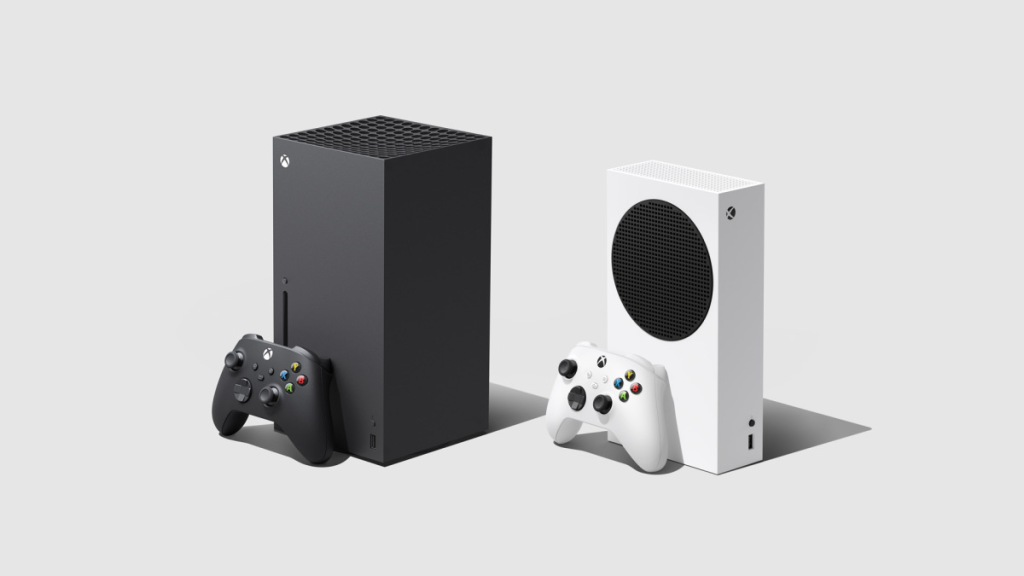
This is not a trend set only by Apple however. This week Microsoft confirmed the existence of its upcoming secondary Xbox console: the Xbox Series S, to sit alongside the Xbox Series X which is due for release in November this year. The Series S has been confirmed as being a less powerful, all digital, and cheaper alternative to the Series X. Taking into account the reported price of the Series S at £249 however,  this looks like a example of more = less, as £249 for a new generation console sounds like a great deal for consumers. Sony have also announced that they will be releasing two versions of the Playstation 5 this year as well; a standard version and another all digital device. However  in the case of Sony, the price of each console has not yet been revealed.

Xbox

I do wonder whether this type of fragmentation actually serve the respective companies and consumers or not however. Does it mean that the manufacturers have more products to manage and focus on rather than making one truly brilliant version of a device? Or are alternatives simply introduced to make the other products look like a better deal, and drive consumers to spend more on a more expensive model. Samsung recently introduced new devices in their Note lineup: the Note20 and the Note20 Ultra 5G. Going by the online reviews of the respective products, it appears as if the Note20 is just a very watered down version of the Note20 Ultra 5G, and there do not seem to be many reasons why consumers would opt for the lesser device, the Note20, if they are in fact in the market for a ’Note type device’ in the first place. There’s a significant price difference between the two as well, with the Note20 starting at £849 in the UK and the Note20 Ultra starting at £1179. So was the Note20 simply introduced by Samsung as a tool to help them convince consumers too spending more on the premium device by making the specs of the lesser device poorer? It’s an interesting question and only one which would be answered by comparing the sales figures of the two devices. Another interesting comparison would be to compare the relative sales of the lower end and premium devices of Apple and Samsung to see if these strategies are making more people buy the premium devices.

AnandTech

If you look at the specification of all of the devices that I’ve listed above they seem to align well with the law of diminishing returns, whereby the more money you spend, the less of a jump in quality you might expect to gain. That’s why this year I’m particularly excited to see how the lower end devices perform. I feel like there is more of a push to offer consumers better value for money so let’s see what Apple can offer in this market at their next event on 15th September.

Apple, iPhone, Technology

Charging in?

Are Apple leading the charge of combating an e-waste problem, or are they just out to charge you more for less?

Since around the time that the WWDC 2020 keynote dropped on the internet in a post-covid technology landscape, a divisive rumour has circulated about the 2020 iPhones shipping without a charger in their box. On first look this appears to be yet another attempt by Apple to move people away from something that they are comfortable with. See the prior removal of the headphone jack from the iPhone 7, and going further back when they replaced the 30 pin connector with Lightning. Yet if this rumour turns out to be true, I believe that this move is not simply an attempt by Apple to make consumers buy more accessories at a bigger profit margin, but more of a necessity to help reduce the carbon footprint of each and every person around the globe that uses an iPhone. Or that’s how I like to think anyway.

Apple announced that it has a target of becoming carbon neutral across its entire business and manufacturing supply chain by 2030 (https://www.bbc.co.uk/news/technology-53485560). The company has goals in terms of its environmental impact, and I think it has been there for many years already. You only have to look at their product launches and keynotes to see this and they tend to dedicate a slide to the environmental impact of their new product.

A quick Google search showed that Apple sold 217.72 million iPhone units worldwide in 2018 (https://www.statista.com/statistics/276306/global-apple-iphone-sales-since-fiscal-year-2007/). That’s 217,720,000 power adapters and 217,720,000 Lightning cables that were also shipped. All of this is a single factor in the emerging and growing problem of e-waste. An author of a UN report has suggested that ‘the 50 million tonnes of e-waste generated every year will more than double to 110 million tonnes by 2050, making it the fastest growing waste stream in the world.’ (https://www.bbc.co.uk/news/business-51385344). Therefore although the numbers of iPhone units sold, and therefore power adapters and cables that are going into consumers hands each year are staggering, this is merely the tip of the iceberg. For every power adapter and cable not used, there will be X amounts of other electronic items like screens, fridges, and vacuum cleaners for example which will also be joining the e-waste Everest.

Inline - 1
http://www.apple.com

The obvious argument against this move, and one that I’m sure Apple haters will sling in the direction of the company, is “you expect me to pay £1000 for a phone, but you won’t provide me the equipment to charge it?” A fair argument. You wouldn’t expect to buy a brand new car that came without wheels. But in the case of iPhones and other smartphones consumers have been buying these for many years now, and will doubtless have had many iterations of iPhones and other different phones. Across this timespan consumers would have accumulated numerous plugs and associated charging cables. Talking from my own experience, when I have upgraded a phone in the past I have continued to use the charging cable and power adapter that are a constant fixture on my bedside table. The new ones have remained in the box until something breaks. 

I also think that if true, Apple may finally be on the verge of announcing a product like the fabled AirPower which never came to fruition. If this were the case then a product like AirPower where you were able to charge multiple devices wirelessly at the same time would solve the problem of having to ship chargers and cables in every box of every individual product. Although again, this could be a way of just making you upgrade to the next best thing. What would be good to see is universal charging across the devices, manufacturers and ecosystems in order to cut out a high volume of needless e-waste and make charging our multiple electronic devices that we carry constantly easier and more efficient.

https://www.theverge.com/circuitbreaker/2018/3/23/17155536/apple-airpower-wireless-charger-plux-indiegogo-crowdfunding-qi

Apple, iPhone, Technology

Apple Media Event

10th September 2019 – “By Innovation Only”

Source: Apple

It’s that time of year again. The big Apple September media event is almost upon us. Being a big Apple fanboy I always feel like this event is like Christmas Day for me, so as ever I am very much looking forward to it. The rumour mill has been gathering momentum recently and the purported leaks of iPhone handsets seem to come earlier and earlier every year. So what can we expect this year? In this post I’ll take a dive into what the main things are that I think will be showcased at the event this week.

iPhone

Tech media has been awash the last few months with supposedly leaked images of the new iPhone handset. It’s reported to feature a triple camera system on the rear of the device, housed in a square camera enclosure. These ‘leaked’ images make the design look quite un-Apple like to me. They seem to be a far cry from the seemingly perfected iPhone 5 design a number of years ago – I’m always looking at you camera bumps! However I guess as camera improvement seems to be the main innovation with smartphones, a more industrial design is probably the least we can expect with this new handset.

Source: Digital Trends

It has been reported that the naming system for iPhone is going to change, with the updated iPhone XR being renamed simply iPhone, and the more expensive updated iPhone XS being renamed the iPhone Pro. I’m not sure how I feel about this if it does come to fruition. On the one hand, the renaming will bring the product into line with the iPad, and the Mac. But how “Pro” will this iPhone really be? If it is simply just an incremental upgrade, with faster processor and OLED screen etc. then I don’t think it should warrant the “Pro” moniker. If Apple went down the route of making their own interchangeable camera lenses, in the same manner as Moment lenses, then I would be on board. But after reading the rumours it just seems that they would make the move to differentiate the two handsets.

What I would like to see is a really competitive line up of phones, with the re-introduction of an updated iPhone SE with a smaller form factor. Give it an LCD, Face ID and a single camera system. This would cater to that market that want a smaller handset and aren’t interested in a camera system with all the bells and whistles. For non iPhone users this type of device would represent an excellent and cheaper entry point into the Apple ecosystem, and if the company want to get as many subscribers to their TV+ service, then this could only help that move.

Source: Apple

In the middle of the line up you could have the updated version of the iPhone XR. Large six inch LCD screen, improved camera system, a choice of coloured finishes. Make this the go to iPhone.

At the top of the line up there could be the flagship – an updated iPhone XS Max with 6.5-7 inch OLED screen. Make this for the power users – give it all the innovation they’ve got, and make it the best device possible.

I have also heard that this year Apple may change the cable supplied with the new devices to a Lightning with USB-C, with a view to changing the device to full USB-C connectivity in 2020. In my opinion it’s quite simple, if Apple are truly serious about switching to USB-C then they should just bite the bullet now and change the connection on the device. Sure there will be a proportion of people that complain but it just seems indecisive to me otherwise and by trying to please everyone they may actually create more hassle.

Apple Watch

The big update to the Apple Watch was last year when the Series 4 was released. This year I see it simply being an incremental upgrade to the Series 5. I expect the design to remain the same, but I would like to see improvements to the battery, and added support for more types of Qi wireless chargers. It would be great if you could place your watch or your Airpods on top of you iPhone for a quick burst of wireless charge but maybe I’m living in a dreamworld. At WWDC they Apple showed us that apps will be able to run straight from the watch. I wonder whether this is the start of a move to un pair the device from the iPhone, and perhaps make it usable with other devices which could be good for Android users.

Apple TV dongle

Source: MacRumours

If Apple were to release a smaller dongle for their Apple TV service in a similar fashion to the Fire TV stick and the Google Chromecast AND price it competitively, say under £50, I really think this would help people to subscribe to their new Apple TV+ streaming service. It could just be 1080p, no need for 4K. It would just be to get people through the door. If people like the product and the service they may then consider upgrading to the powerhouse Apple TV 4K and moving the dongle into a bedroom.

HomePod

This is an interesting product category. Apple have been severely left behind by Amazon and Google in this category. Both of those tech companies seem to release new devices all the time and consumers lap them up. I know that I have added a number of Alexa devices and Smart home peripherals because of their accessibility and big discounts throughout the year. Apple really needs to do something in this area if they want to be a force in the Smart Home arena. I wonder if Apple needs to rethink this product a bit. Make it less of a very good expensive speaker system (we have Sonos and other alternatives for that), and more of a Home hub. Like J.A.R.V.I.S. from Iron Man. Stick Paul Bettany’s voice into Siri and maybe I’ll buy it straight away.